

Vintage lenses in 2025 — Do They Still Have a Place?
Exploring the world of vintage lenses on full-frame mirrorless cameras is an experience that goes far beyond nostalgia: it’s about integrating the best of both worlds—the charm and optical personality of the past with the precision, flexibility, and ease of use of contemporary digital technology. Mounting these classic lenses on bodies such as the Sony A7, Nikon Z, or Canon R is not only perfectly possible using adapters, but also expands the creative palette of any modern photographer or videographer.
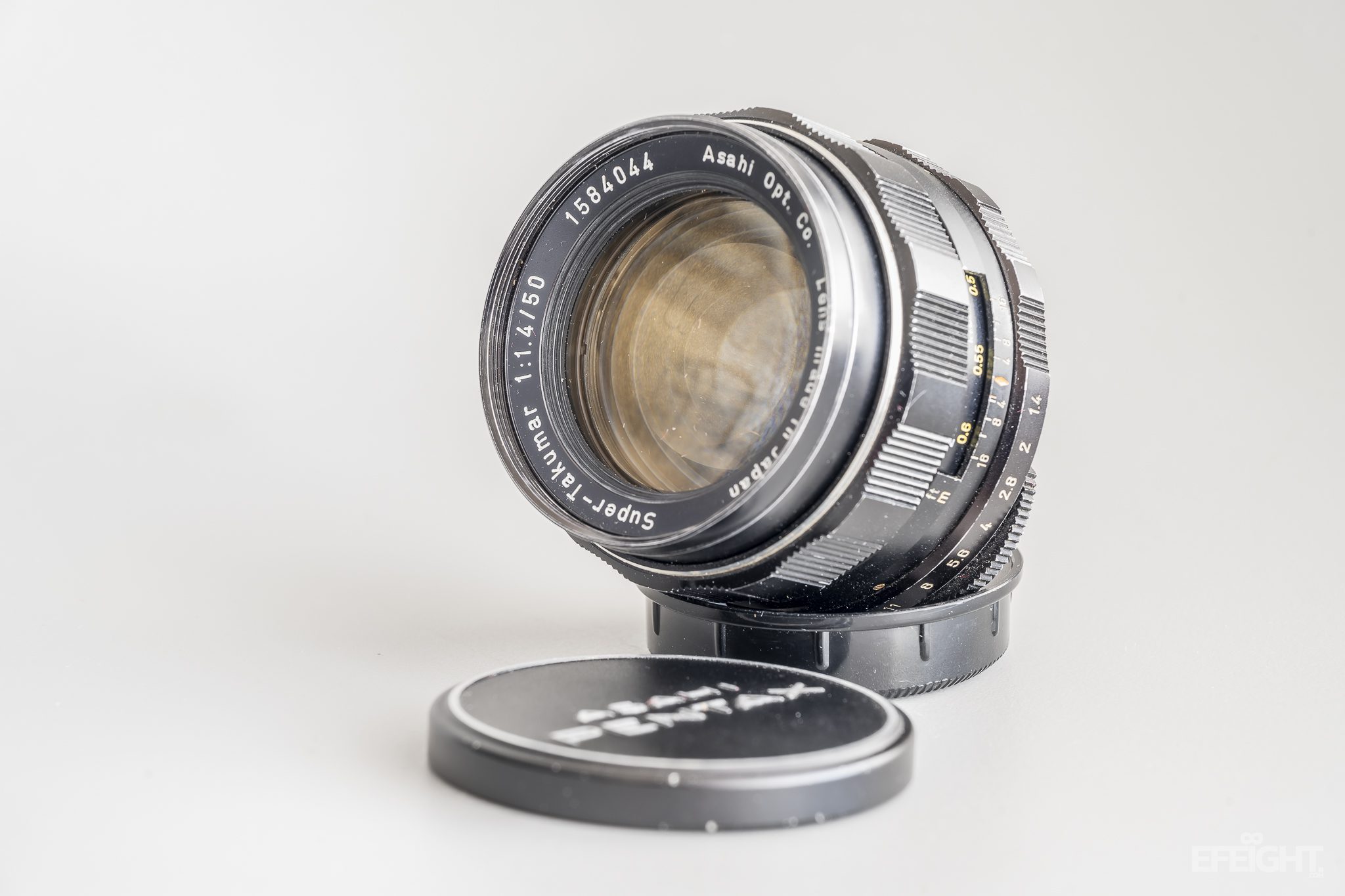
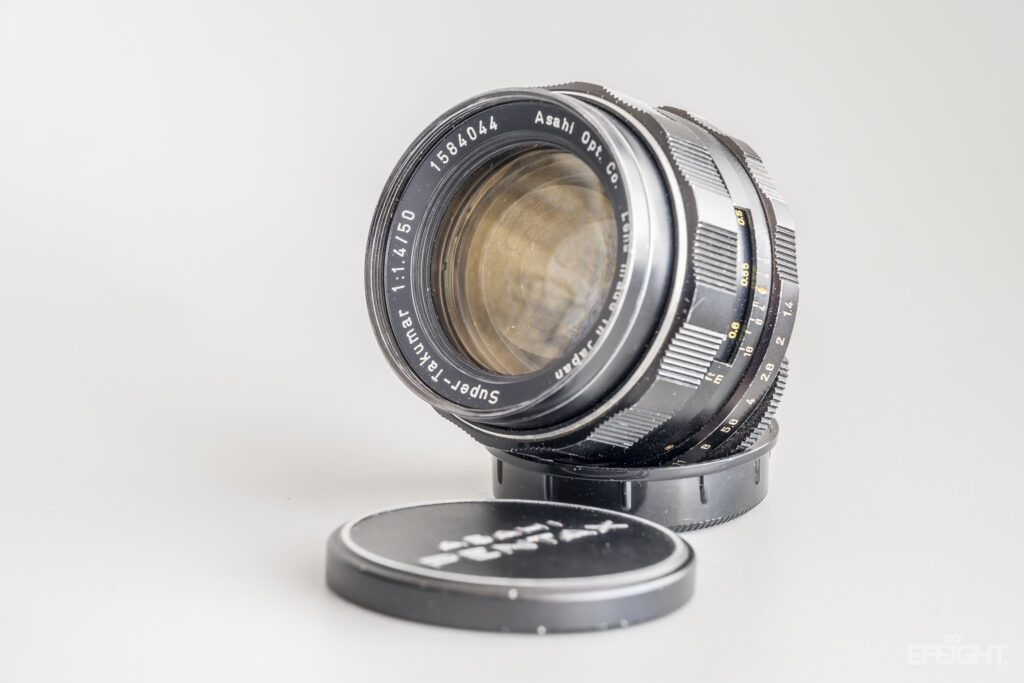
Asahi Pentax 50mm f/1.4 (8 elements)
Manufactured in Japan between 1964 and 1967 by Asahi Optical, this 50mm M42 lens became legendary, especially for its limited series with “8 elements” and its f/1.4–f/16 brightness. Originally designed for Pentax Spotmatic cameras, today, adapted to mirrorless cameras, it offers delicate rendering, creamy bokeh, and a soft “glow” at maximum aperture, ideal for portraits and artistic video. The combination with full-frame sensors allows you to take advantage of its full coverage and character: soft colors and natural focus blur distinguish it from any modern lens.
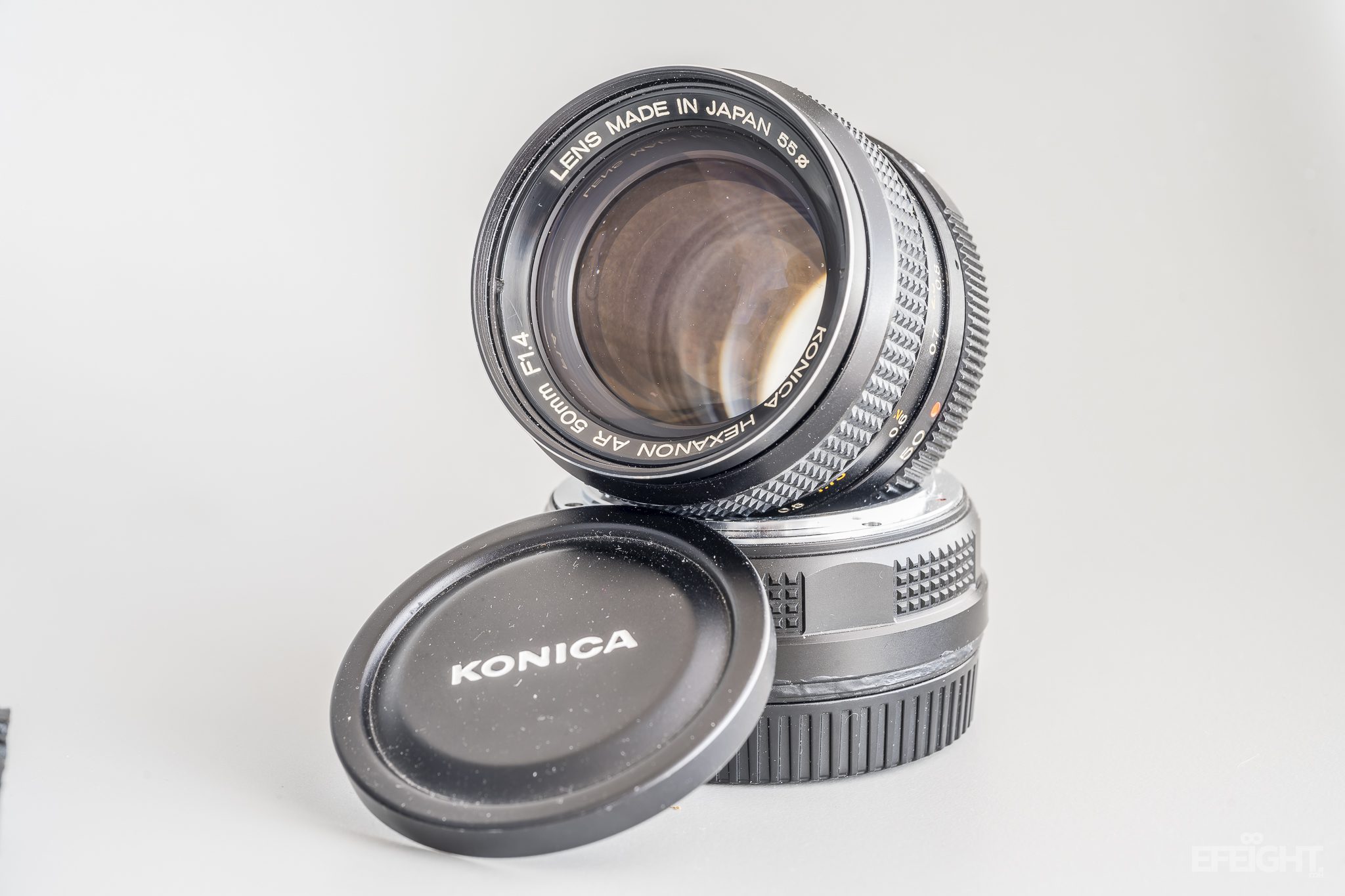
Konica Hexanon 50mm f/1.4
This Japanese lens from the 1973-1987 era, with a Konica AR mount, was designed for Autoreflex T3 cameras and similar models. With 7 elements in 6 groups, a maximum aperture of f/1.4 and a minimum aperture of f/16, it is known for its sharpness and depth of color. When used on a full-frame mirrorless camera, it gains its full range of coverage, managing natural vignetting and smooth focus transitions, making it excellent for environmental portraits, interior photography, and low-light scenes, where faithful color reproduction and vintage aesthetics make all the difference.
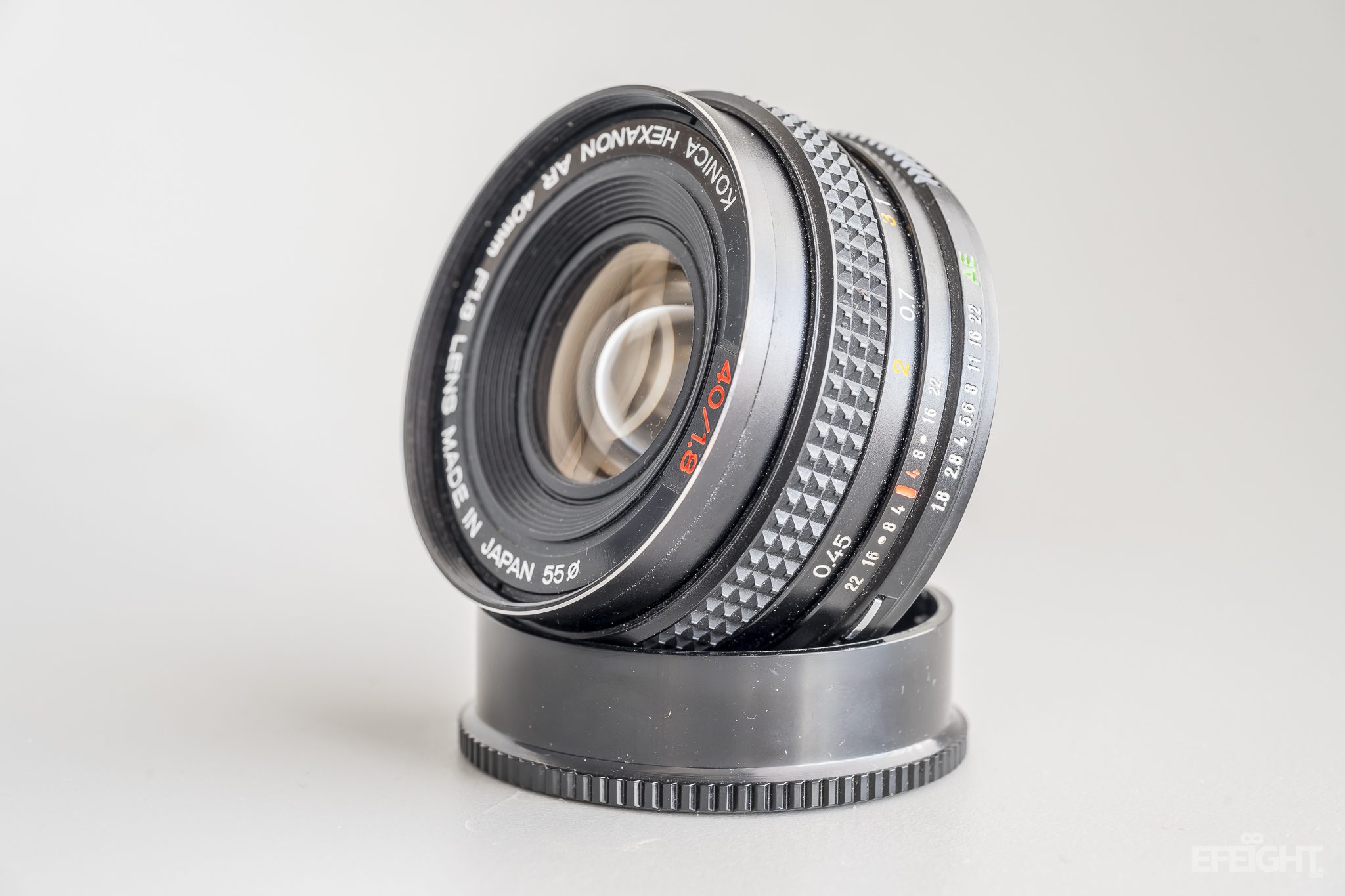
Konica Hexanon 40mm f/1.8
Introduced between 1978 and 1982 for Konica AR cameras such as the FS-1, this “pancake” lens is renowned for its compactness and 6-element, 5-group optics (aperture f/1.8–f/22). In a full-frame mirrorless environment, it is perfect for street photography and travel: its size makes it almost invisible, but it delivers outstanding sharpness from medium apertures and very natural color. Manual focusing is agile and the shooting experience is discreet, portable, and extremely effective for capturing urban life with a distinctive character.
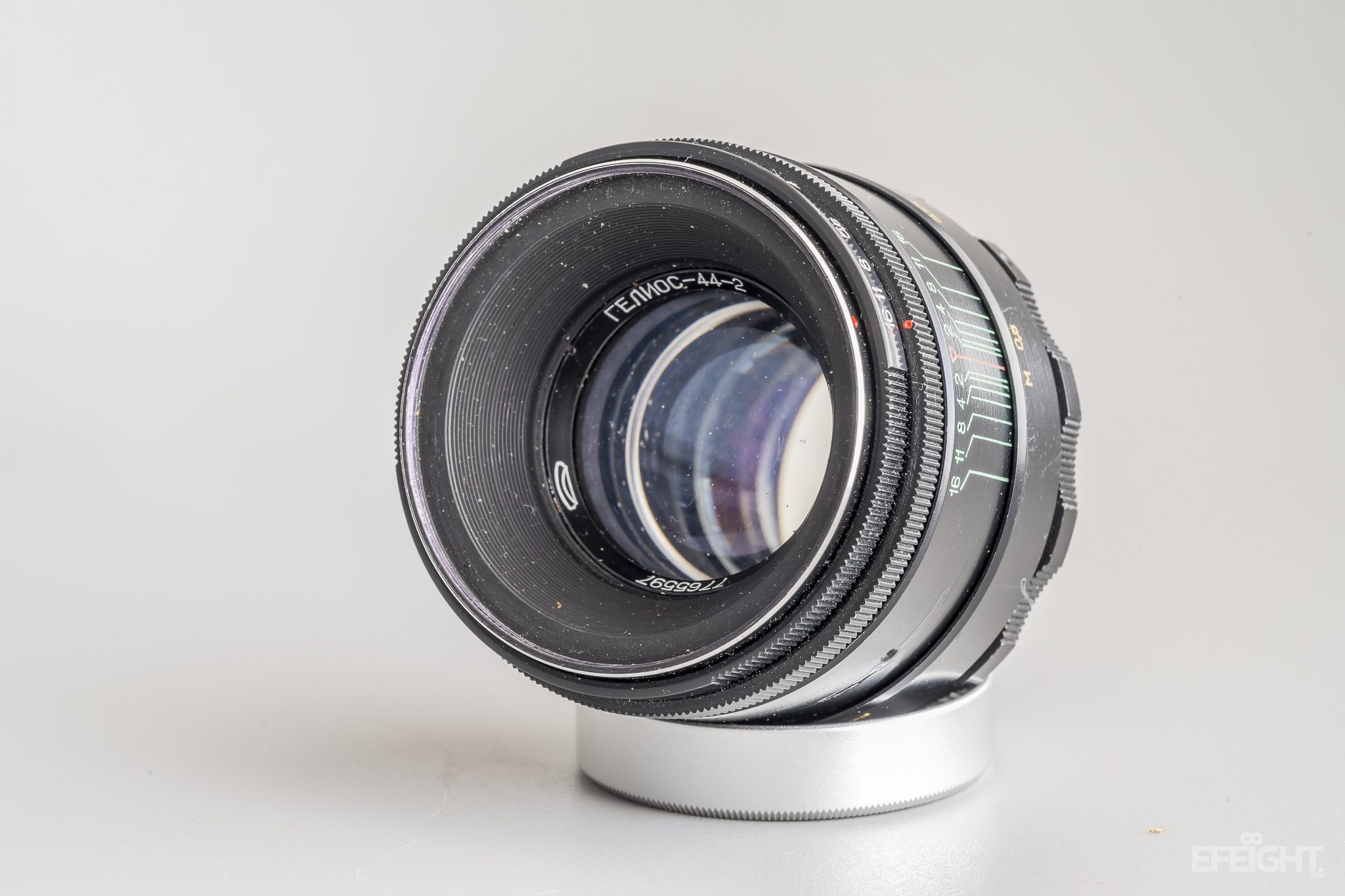
Helios 44-2 58mm f/2
A Russian classic manufactured since the 1970s by KMZ and others, with an M42 mount, derived from the German Biotar. It offers 6 elements in 4 groups and an aperture of f/2–f/16, designed for Zenit E cameras. Its fame is due to its “swirly bokeh,” a special circular blur that provides a dreamlike and unique aesthetic. On a full-frame mirrorless camera, its field of view and blur are fully preserved, delivering artistic portraits and videos with unpredictable atmospheres and a unique sense of depth. It is especially appreciated for creative photography and experimental shoots.
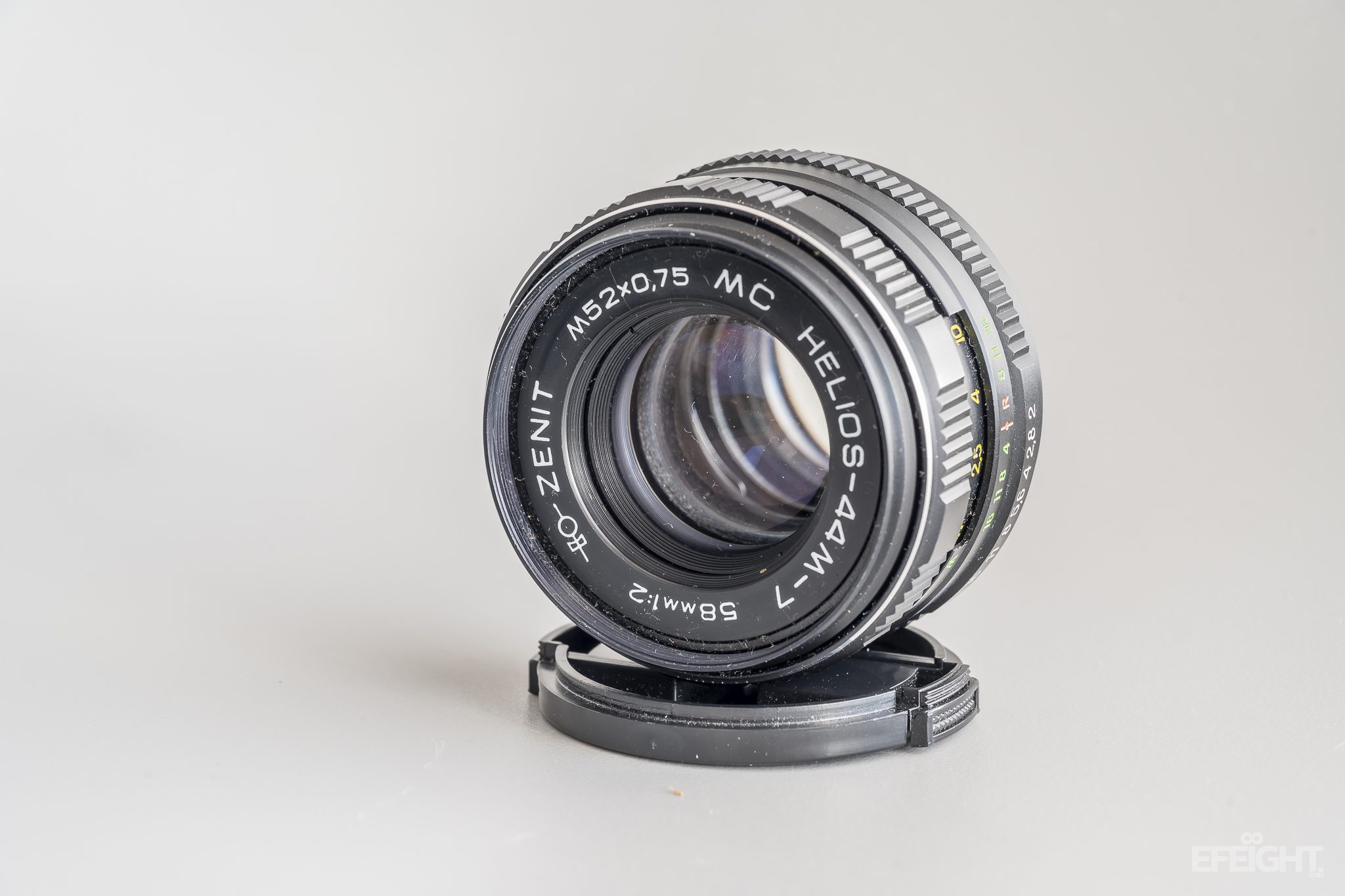
Helios 44-7 58mm f/2
An evolved version from the late 80s and 90s, also for Zenit with M42 mount, it retains the swirly bokeh qualities and optical design of the 44-2. Mounted on a modern mirrorless camera, it offers more refined reproduction, slightly less flare, but the same visual identity. It lends itself to imaginative portraits and music videos where the aim is to differentiate the work with a surreal and vintage touch, while maintaining adequate performance from f/2 to f/8.
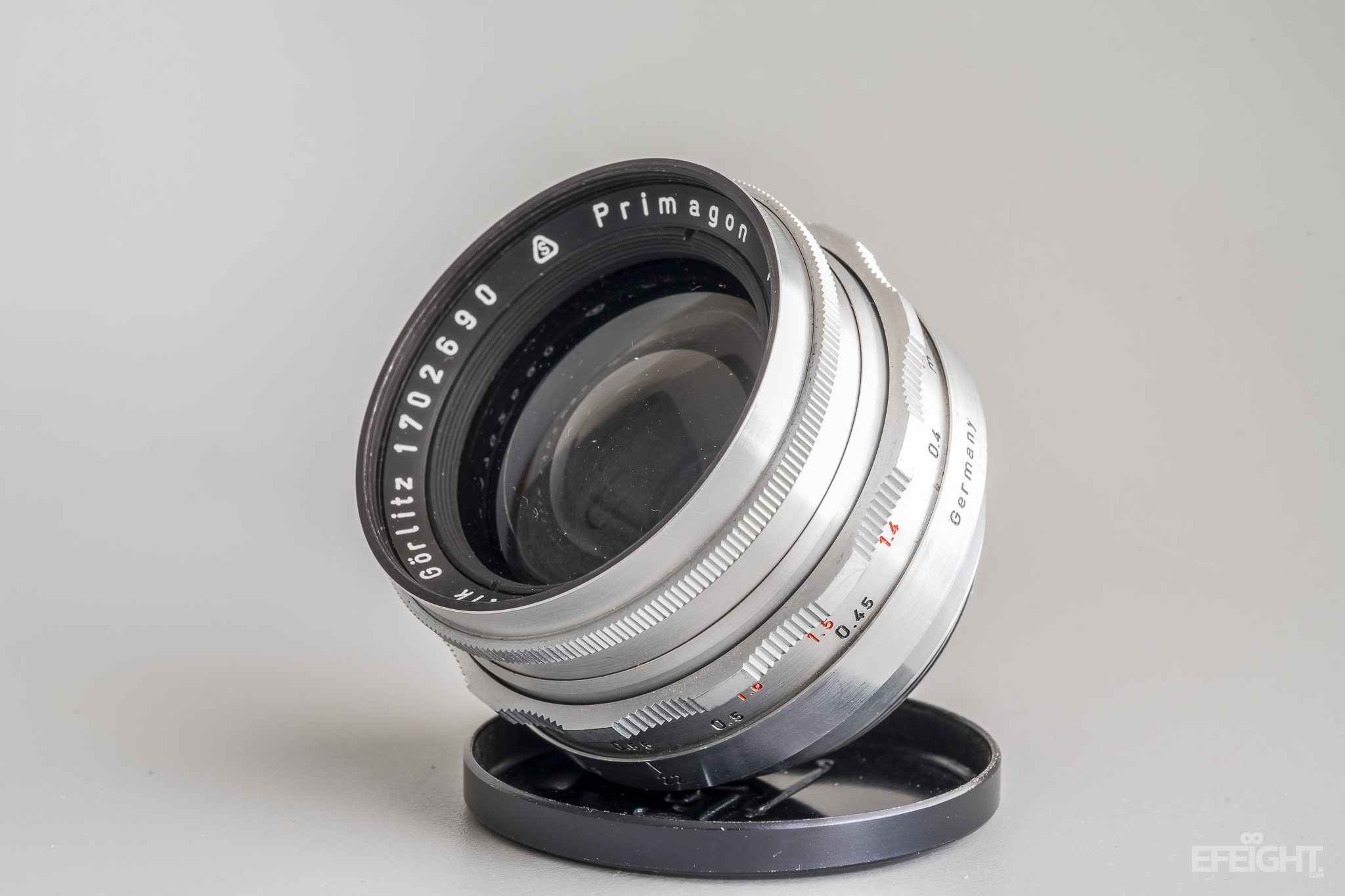
Meyer Optik Primagon 35mm f/4.5
Manufactured in East Germany from 1956 to 1963 for Exakta and M42 cameras, this slow wide-angle lens (f/4.5–f/22, 4 elements/4 groups) was renowned for its sharpness and low distortion. Adapted to full-frame mirrorless cameras, it brings back a classic feel to landscape, architecture, and interior photography, with neutral colorimetry and slight vignetting that enhances open scenes. Perfect for leisurely work where precision and detail, rather than brightness, are the priority.
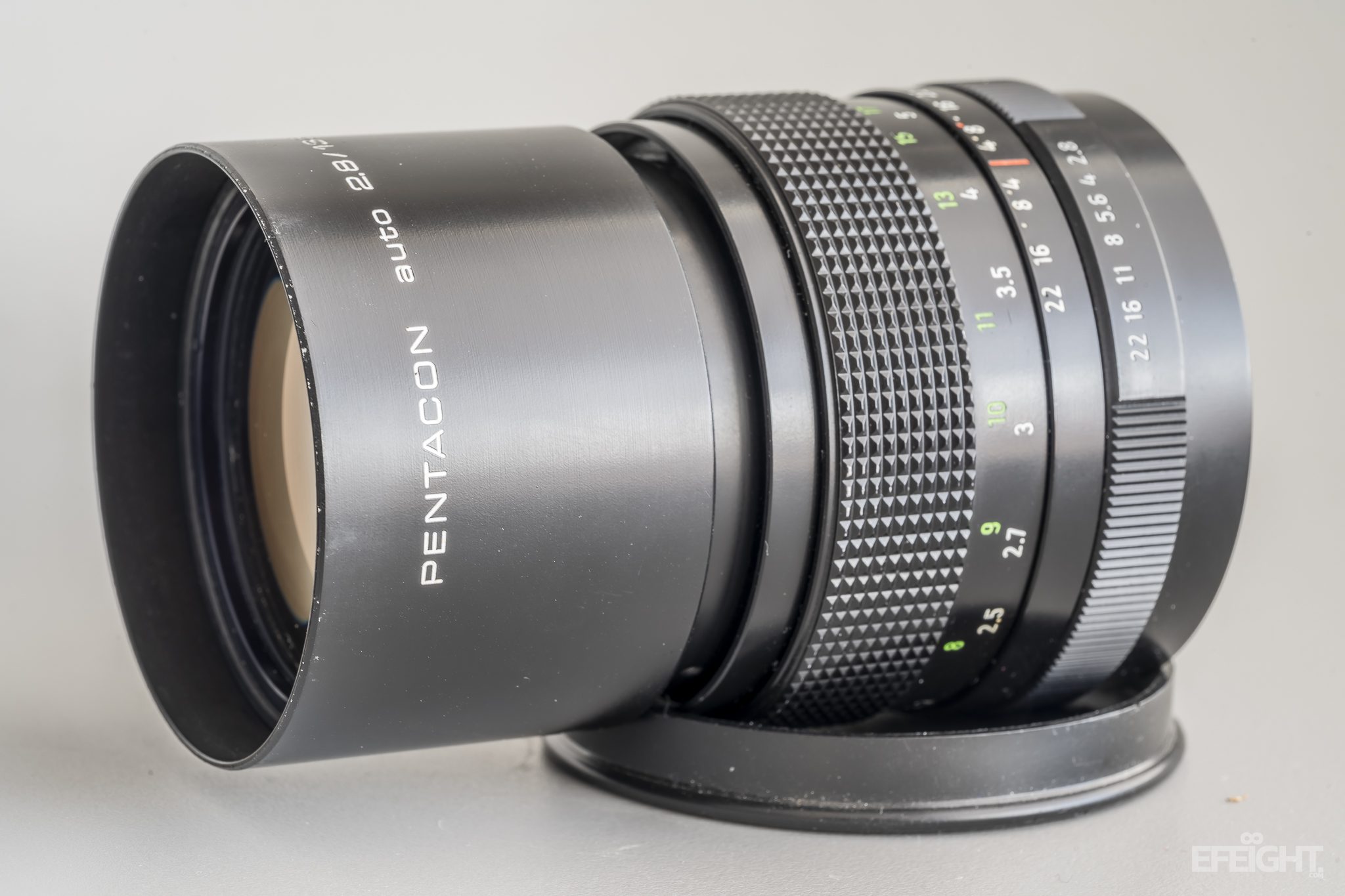
Pentacon 135mm f/2.8
Originating in East Germany (1960s to 1980s), this M42 telephoto lens (also Prakticar B version) is designed with 5 elements in 4 groups, covering an aperture from f/2.8 to f/22. Its classic use was for portraiture and nature photography with Praktica or Pentacon cameras. When mounted on full-frame mirrorless cameras, its “bokeh monster” shows its full potential: it achieves a very smooth compression of planes and blurring, very popular in outdoor portraiture and video, also offering warm colors and a sense of “old atmosphere.”
Real-world uses in 2025
Music videos and short films: Independent cinematographers mount Helios or Pentax lenses on digital cinema cameras (Blackmagic, Sony A7, etc.) to achieve ethereal atmospheres and highlight protagonists, exploiting distinctive flares and blurring.
Wedding and portrait photography: The Pentacon 135 or Konica 50 1.4 are selected to achieve a soft, nostalgic look in couple shoots, taking advantage of their ability to naturally separate the subject from the background.
Artistic urban photography: Travelers seeking to capture the essence of cities turn to the Konica 40 1.8 for its discretion and sharp optics, perfect for creating intimate and unique images, far from the digital perfect.
Vintage astrophotography: Enthusiastic users adapt old lenses, such as the Pentax 50 1.4 or the Helios 44-2, to explore the deep sky and capture stars with a tone and blur that modern digital sensors cannot replicate.
Creative macro: Some photographers use extension tubes with these lenses for artistic macro photography of flowers or textures, achieving results that differ from today’s dedicated macro lenses.
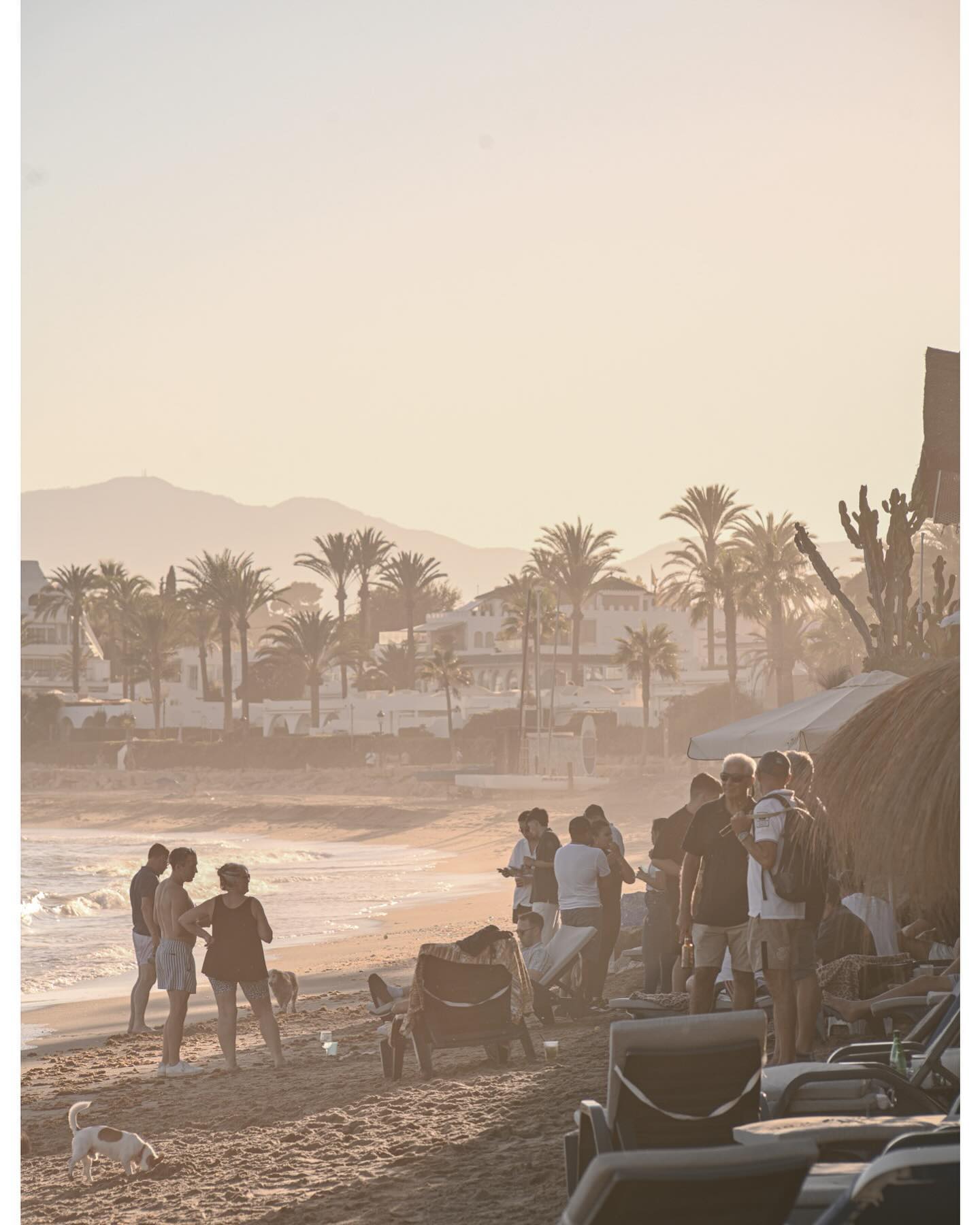
Pentacon 135mm
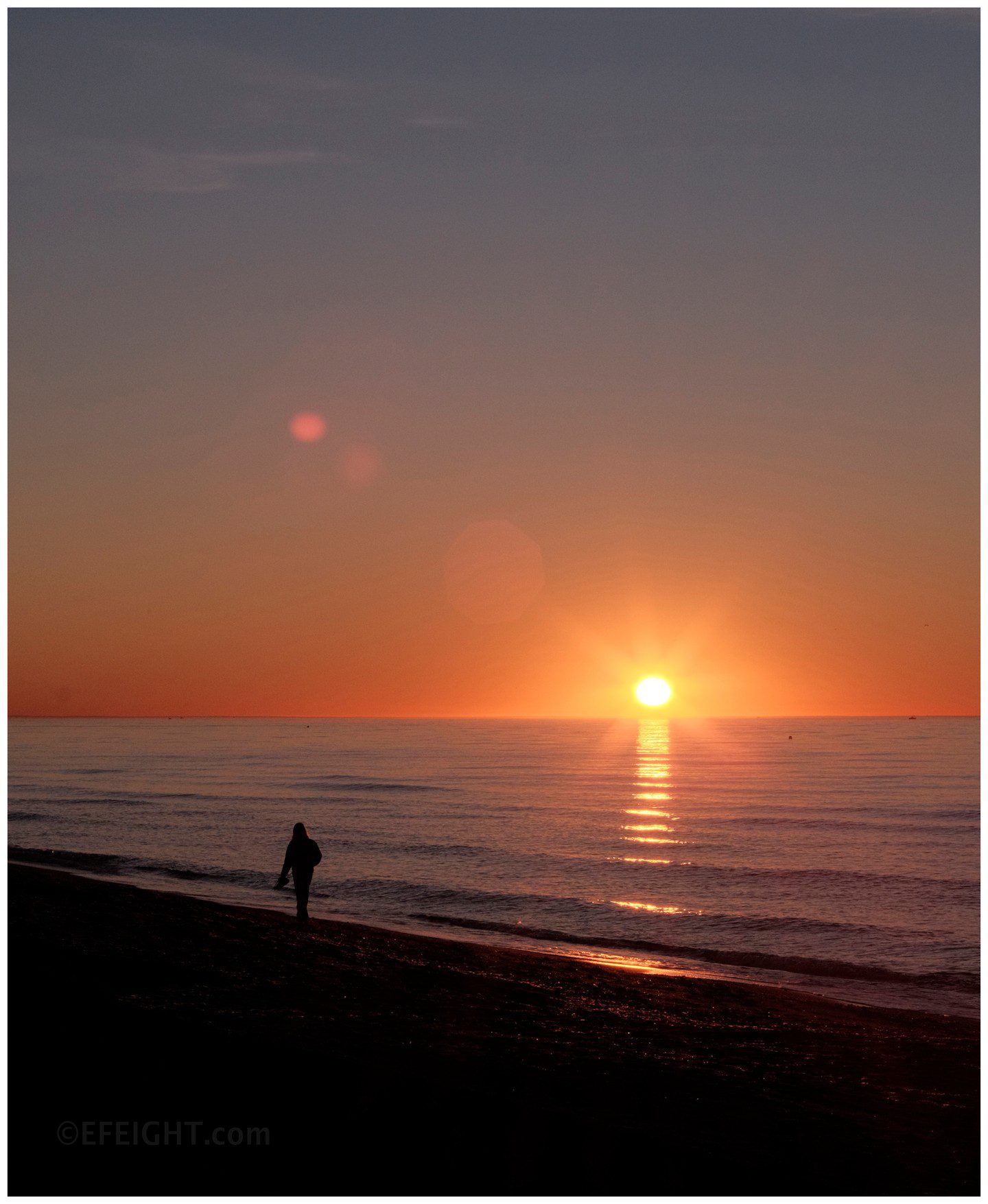
Konica 50mm f1.4

Asahi Pentax 50mm f1.4 8 Elem.
If you’re still not convinced after reading this article, I can assure you that using vintage lenses on modern full-frame cameras allows you to discover a wide range of visual effects, textures, and emotions that are impossible to replicate with contemporary optical engineering. These lenses bring history, soul, and originality to today’s digital photography and video, proving that their practicality transcends mere collectability: they are tools that are highly relevant in creative exploration.